Sweden: Polyvagal in outdoor practice
Having written about nature as a sacred place, it feels almost natural to take it a step further: what actually happens in our nervous system when we immerse ourselves in nature, slowness and connection?
Naturally, nature cannot be confined within frameworks. Nevertheless, during this journey we have focused on elements of Polyvagal Theory. Serving as a ‘guide’ on this journey and at the same time fitting in beautifully with the earlier themes from this four-part series:
- Haptonomy
- Psychosomatics & Psychosomatic complaints
- Nature as a sacred place
- Sweden: Polyvagal in outdoor practice
Polyvagal theory in brief
This was developed by Stephen Porges. He describes how our autonomic nervous system is constantly scanning:
Am I safe? Or do I need to survive?
Broadly speaking, we can distinguish three states:
- Ventral vagal state
Connection, calm, openness, contact.
Here we can feel, reflect, learn and connect. - Sympathetic activation
Action, fight or flight.
Necessary in the face of danger, but exhausting when it becomes chronic. - Dorsal vagal state
Withdrawal, freezing, shutdown.
An ancient protective response when the system sees no way out.
What is important to understand:
we do not choose consciously these states.
Our nervous system reacts automatically to what it perceives in the environment.
If this is difficult to grasp, it may help to observe animals.
As they are ‘pre-mind’ and not distracted by the constant noise of thoughts, you can clearly see how the nervous system reacts unfiltered to environmental influences.
The practice
Ultimately, there is no better way to understand how elements of Polyvagal Theory work for you than by experiencing them first-hand.
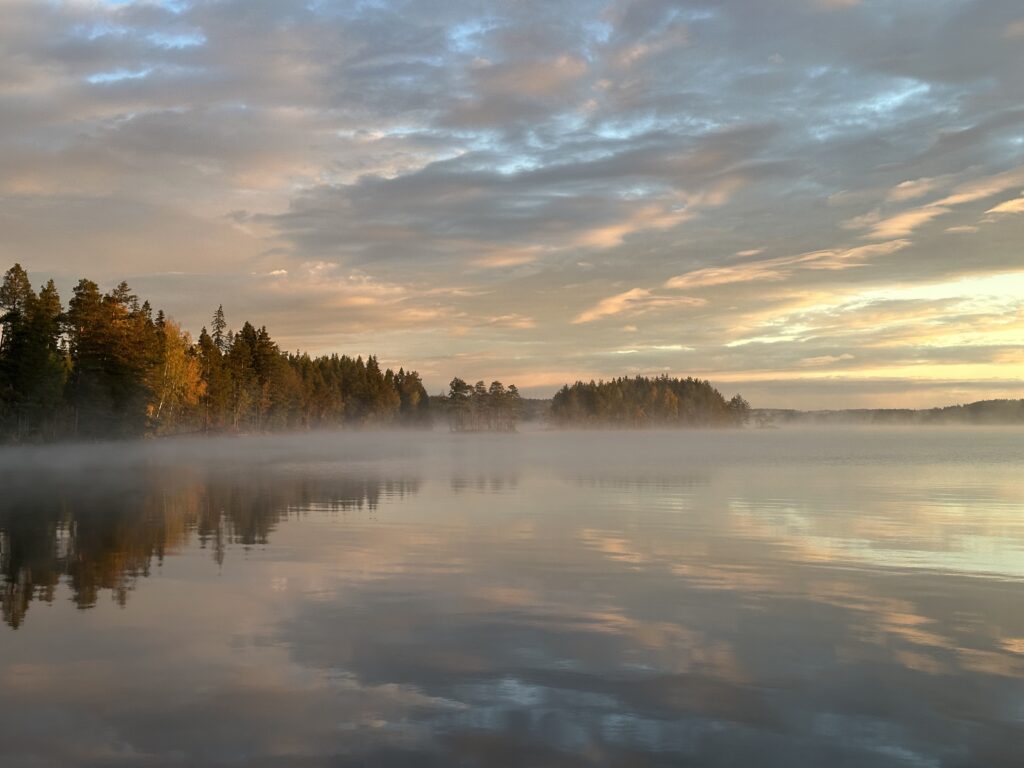
In the Glaskogen nature reserve in Sweden, we immersed ourselves in the silence of nature.
No rush, no phones.
Just water, forest, silence and each other.
The journey
Interestingly enough, our process began even during the journey there.
By car to northern Germany, then by boat to Gothenburg. Time on deck, getting a breath of fresh air, literally letting go of the mainland.
Not doing, but letting things happen.
From a polyvagal perspective, this is essential:
slowing down as a prerequisite for regulation.
Glaskogen Nature Reserve
From the port of Gothenburg, we headed north to Glaskogen, a vast nature reserve about three and a half hours’ drive away.
We spent a week travelling by canoe.
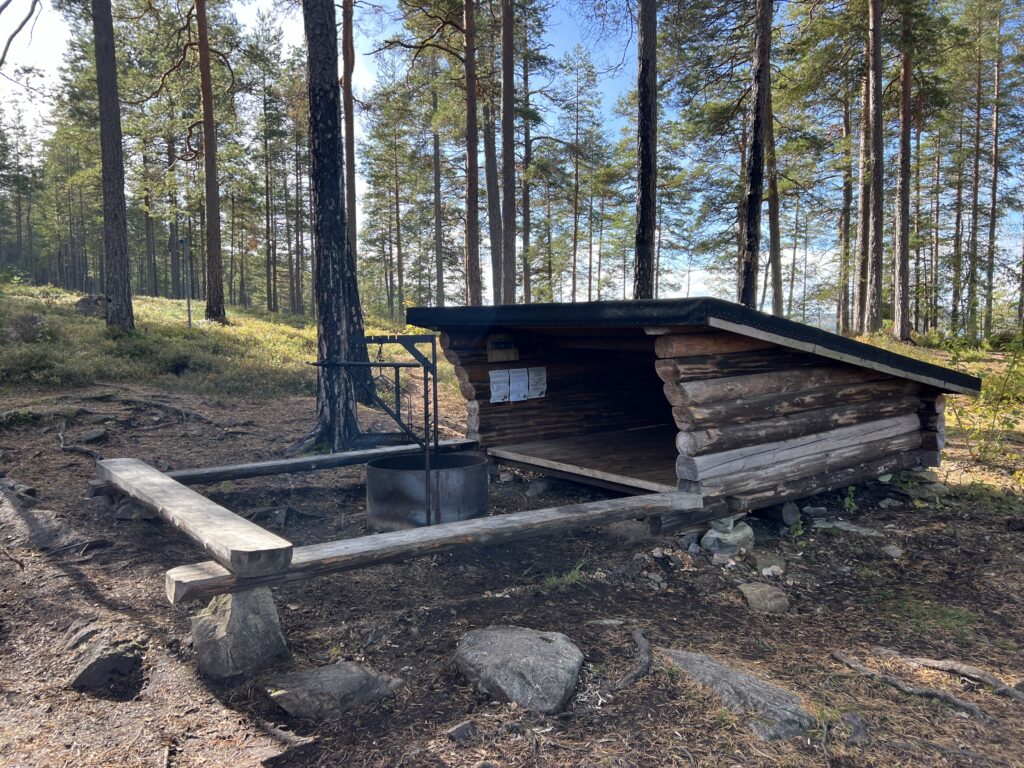
We paddled through the open water and moored on islands where it felt right to stay.
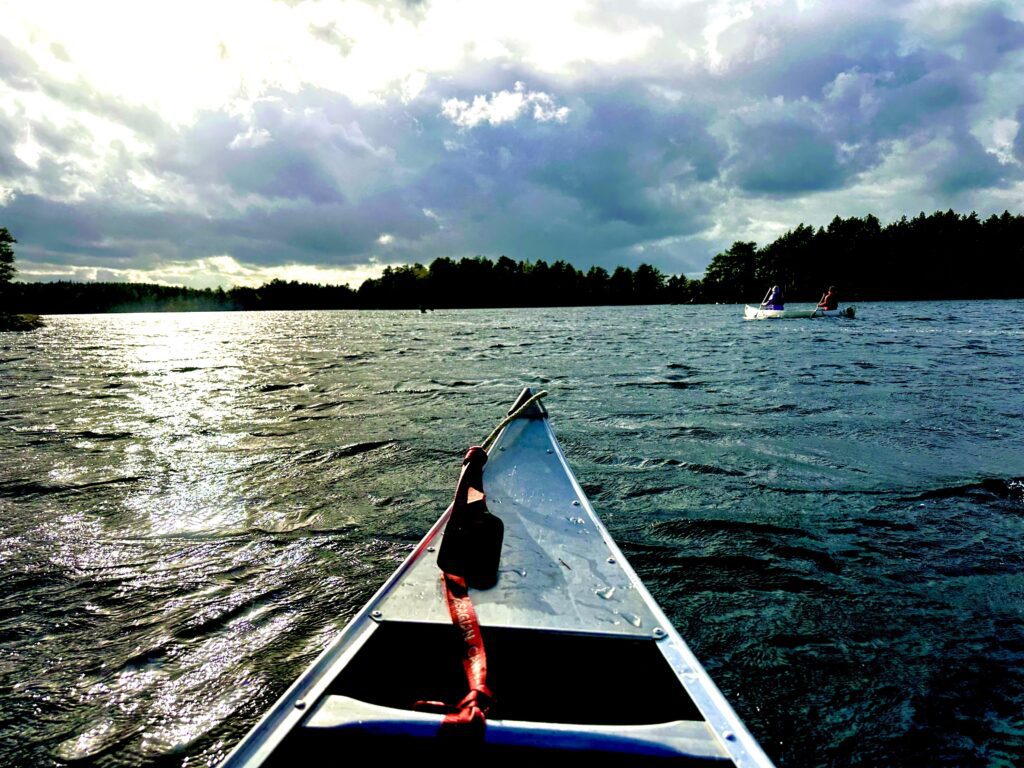
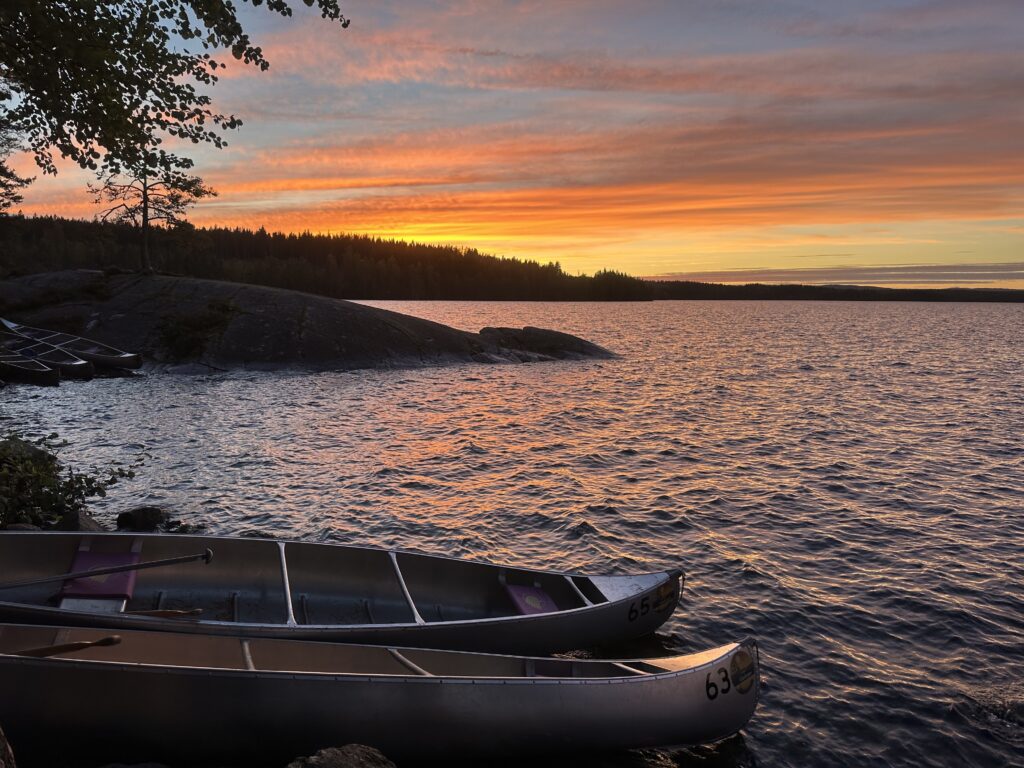
Being on the water
Arriving in silence.
Pitching tents without haste.
Not immediately giving in to that frantic little voice that wants everything sorted out quickly.
During our journey, we also referred to this as the ‘freaking out brain’.
On the islands, we deepened our experience through various forms of bodywork, constellation work and rituals. We stayed as long as it felt right. Then we moved on to the next spot. It wasn’t about speed or distance. The slowest set the pace.
De-stimulation
What gradually became apparent here: the nervous system received no stimuli that it needed to interpret as threatening.
No traffic,
No schedules,
No phones,
No constant social expectations.
And instead:
Water all around,
Trees, wind and silence,
Simple actions,
A rhythm determined by daylight, weather and the body.
These circumstances alone invite the nervous system to shift towards a ventral vagal state, or in other words:
safety, calm, connection.
The collective field as a regulator
Alongside nature itself, the group also played an important role.
A collective field in which safety, recognition and support were present.
Somehow, whenever I go on a journey in a group where we engage in inner processes together, it feels as though we find each other in something universal.
This makes the power of the collective of inestimable value.
At the same time, it naturally stands or falls with supportive guidance.
Methodologies
On the islands – but also in the canoes – we engaged in various forms of inner work. These included meditation techniques, various methods from systemic work, and tension release exercises. Incidentally, cold water practice (just a quick dip in between) was also a real treat. One that is close to my heart.
I found it wonderful to experience how, in this place, the environment comes together with the methodology.
Together,
Outdoors,
Without haste,
Without pressure to perform.
Co-regulation can then arise more easily. The nervous system does not need to remain on high alert, because it feels supported.
There it is again: 'The power of the Elements'‘
We almost forgot to mention this briefly. During a journey like this, a beautiful emphasis—and thus awareness—can be placed precisely on this. In Greece, the earthy foundation of the mountains resonated beautifully within me. This time, I was most aware of fire and water as primary regulators.
Naturally, the islands provided a clear earthly foundation.
Solid ground beneath our feet.
Pitching tents, gathering wood, preparing food.
And at the same time, there was the constant presence of water:
Supportive, rhythmic and enveloping.
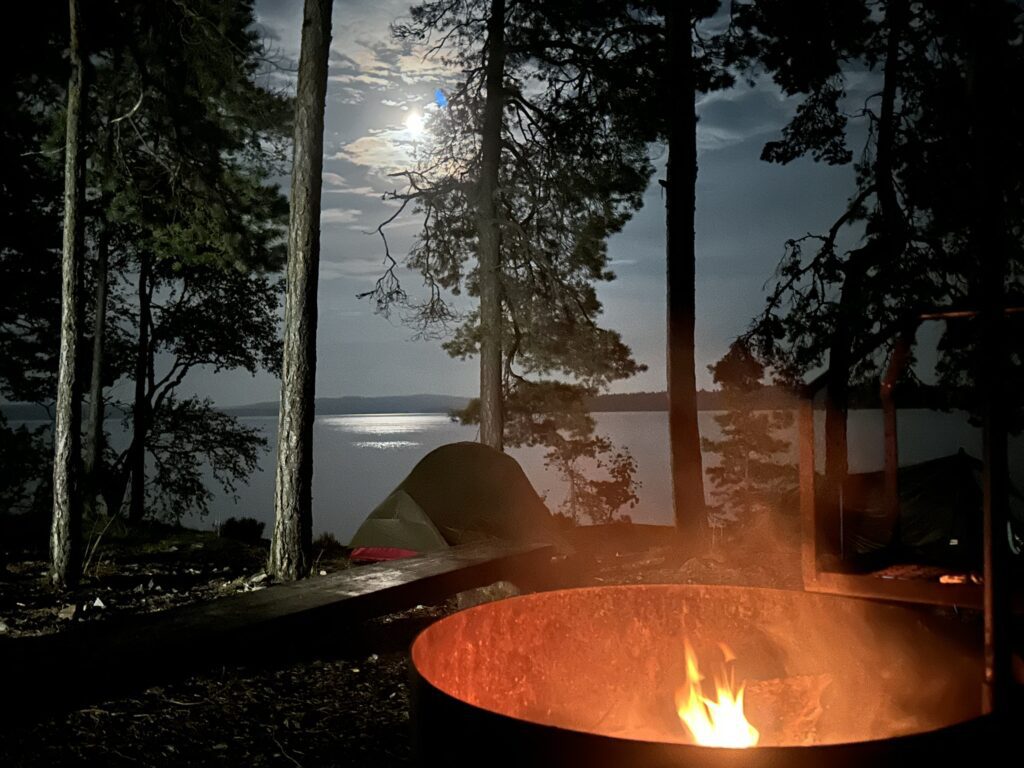
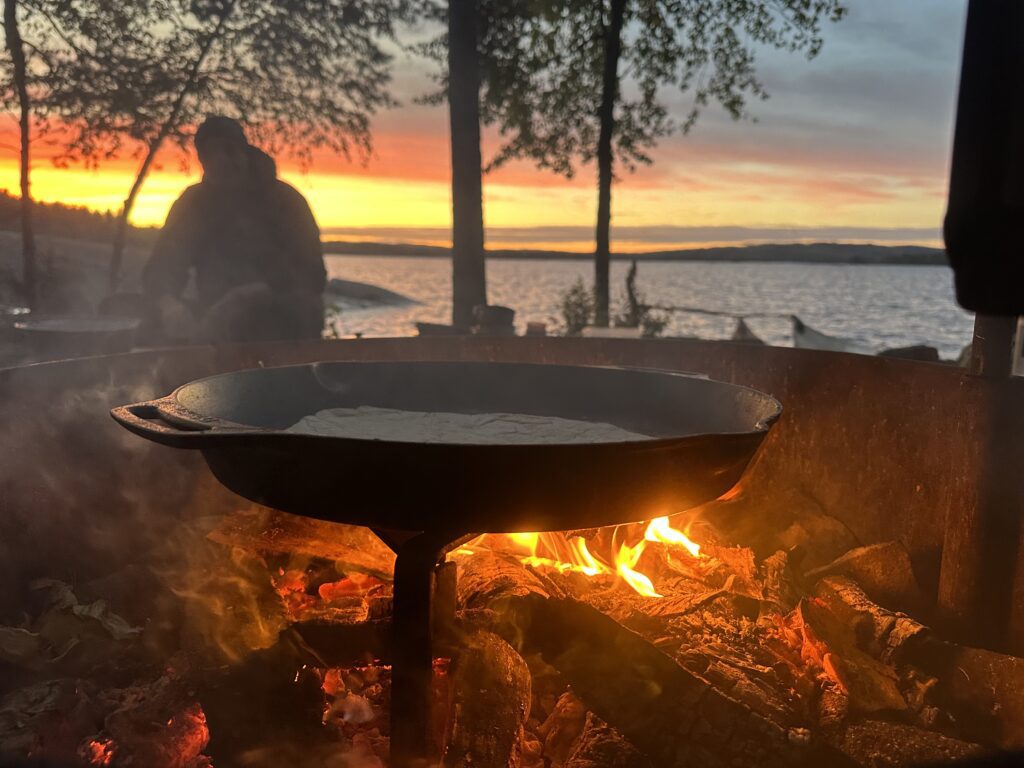
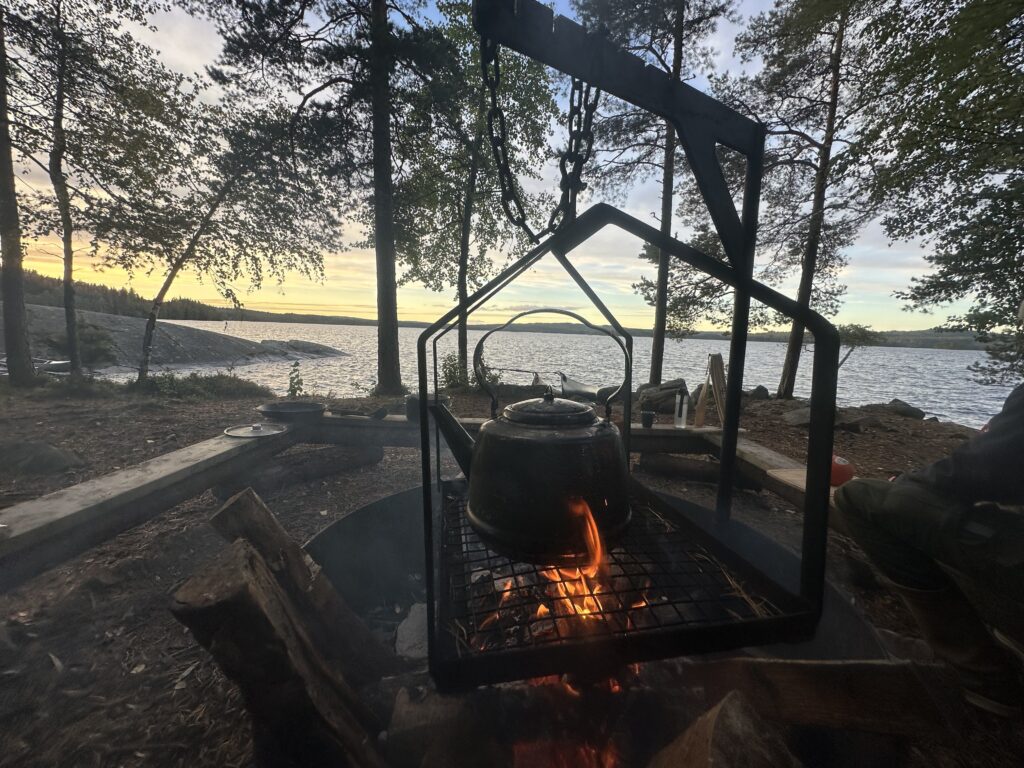
But fire 🔥 resonated most powerfully within me. With the group, we had a fire going all week long – whichever island we were on.
Fire to keep the water warm.
Fire for cooking.
And fire as a unifying force within the group. Gathered together around the fire.Fire to keep the water warm.
Sitting and being still..
Someone will naturally start speaking.
What an inviting and soothing power emanates from that.
That is enjoyment!
Polyvagal work without anyone calling it that
Everything happened without us constantly being preoccupied with explanation or analysis. The nervous system learns through experience, not through concepts.
For me, this is the essence of polyvagal work in outdoor practice.
Don’t force it, don’t solve it, but create conditions in which regulation can happen naturally.
From a therapeutic perspective, this insight strikes me once again:
Regulation does not need to be ‘actively’ guided.
It needs to be made possibile .
With attunement and deep inner presence as the ‘method’.
Integration time
When the nervous system experiences safety over a longer period, space is created for processing. Tension can be released, emotions can move, and the body can develop trust in contact once again.
Integration time is essential here. Also known as ‘downtime’ during our journey.
So, doing nothing. It may well be that insights arise here.
And that doesn’t all have to happen this week.
I undertook the journey in 2024.
When I tune into it again in the present,
the energy of that time can still easily resonate within me.
A foundation of peace, inner calm and silence.
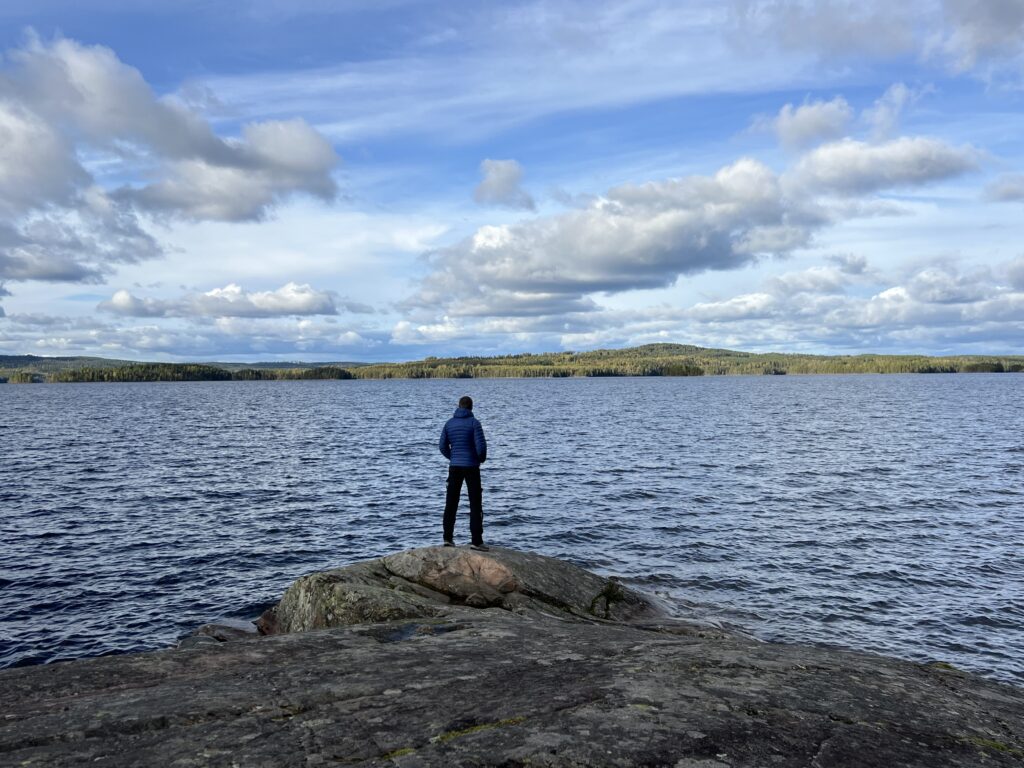
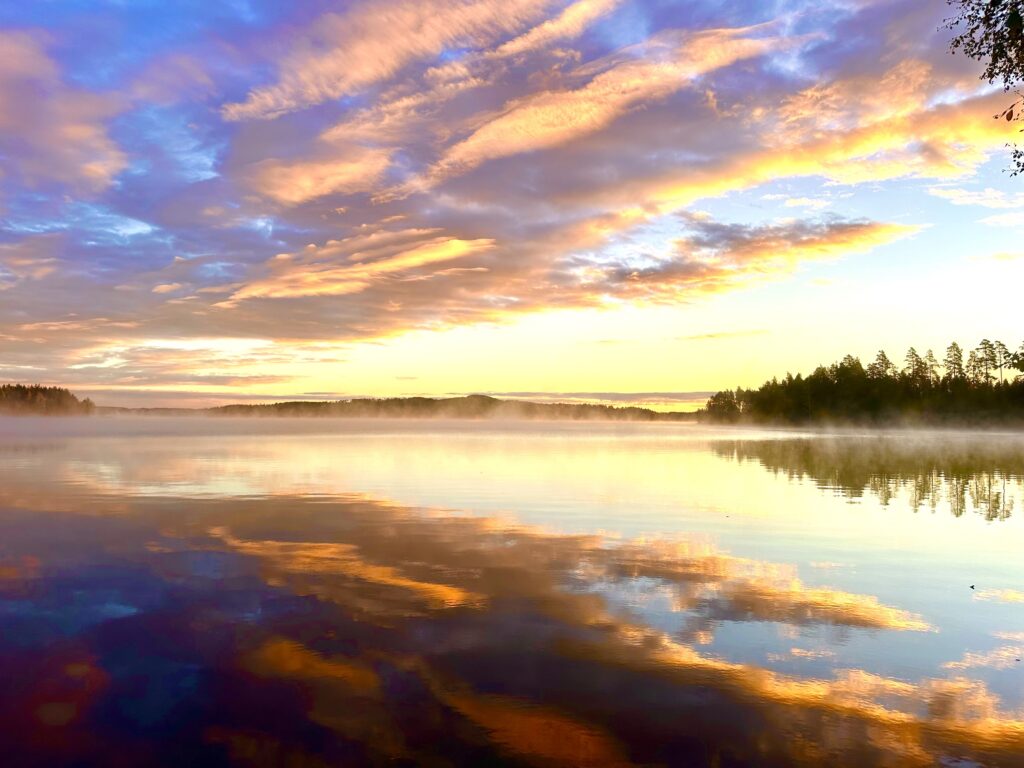
It is no coincidence that the photo below hangs in my room….
For reflection
What would happen in your system if you immersed yourself – even if only for a moment – in simplicity, nature and slowing down?
And what signals of safety does your nervous system actually need to be able to settle?