Haptonomy
“Feeling, connection and the path to integration”
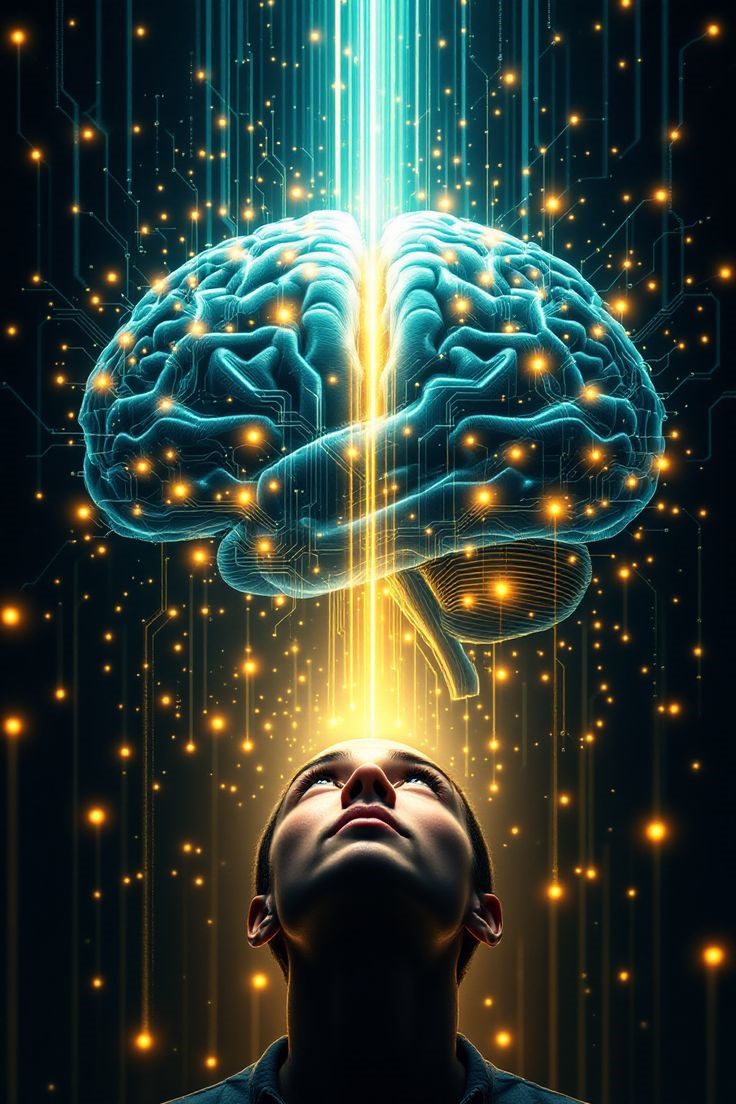
When I walk down the street and look around me, I see lots of people living in their own heads. Somewhat ‘preoccupied’, at first glance.
We think, analyse and ‘understand’ to our hearts’ content.
A little touch of joie de vivre wouldn't be that bad, I think sometimes.
Getting lost in thought is a hectic affair.
And then to ‘realise’ that we actually believe our thoughts as well.
Quite sickening..
Meanwhile, the body is also sending out signals.
Starting with whispers.
Only to grow louder and louder. Especially if they’re ignored.
Often, people only come to see me in my practice when the signals are so pronounced that they simply can’t be ignored any longer.
You could certainly say that the body is crying out for attention.
The question might be:
are you already listening, or are you waiting until the body has to start screaming?
Intelligence of the body
Today we’ll explore why haptonomy can be useful in this context.
We start from a simple yet profound premise:
the body does not lie.
Where words fall short, the body speaks through tension, relaxation, closeness, withdrawal and contact.
Affective contact
Haptonomy is an approach that focuses on feeling, experiencing and embodying.
Not so much as a technique, but, as far as I am concerned, primarily as a way of being present.
The literal meaning of the Greek word ‘haptein’ ties in with this, namely: to touch or to come into contact.
This is not just about physical touch, but also about affective contact: the way in which you relate to yourself, the other person and the world.
The body as a gateway
There is a difference between viewing the body as an object that needs ‘repairing’ and viewing it as a gateway to awareness. For it is through the body that the following becomes apparent:
- where tension has arisen
- where boundaries have become blurred
- where contact is difficult or, conversely, too intense
- where safety is lacking
Many complaints – physical or emotional – appear to be linked to past experiences that have never been fully felt or integrated. The body holds onto this history.
From survival to experience
In my practice, I frequently work with clients who have been functioning for years based on survival strategies. These include, amongst others:
- adapting
- carrying on
- being strong
- maintaining control
The invitation is not to fight these strategies, but to learn to recognise them and to feel the emotion beneath them. That is very essential.
When someone reconnects with their bodily experience, space can emerge. Initially, space to slow down, but also to feel what is really going on.
This can, for example, help to recognise boundaries and become gentler without losing strength.
Safety as a prerequisite
A key principle is that change can only occur when safetyis being felt. Without safety, the body remains on guard. With safety, the body can let go. This process cannot be forced. It unfolds at the body’s own pace. It is therefore particularly essential that this sense of safety is provided within the therapeutic setting.
The therapeutic setting
The way in which I apply haptonomic principles within sessions has evolved over the years. In the early stages, I worked more with simple materials.
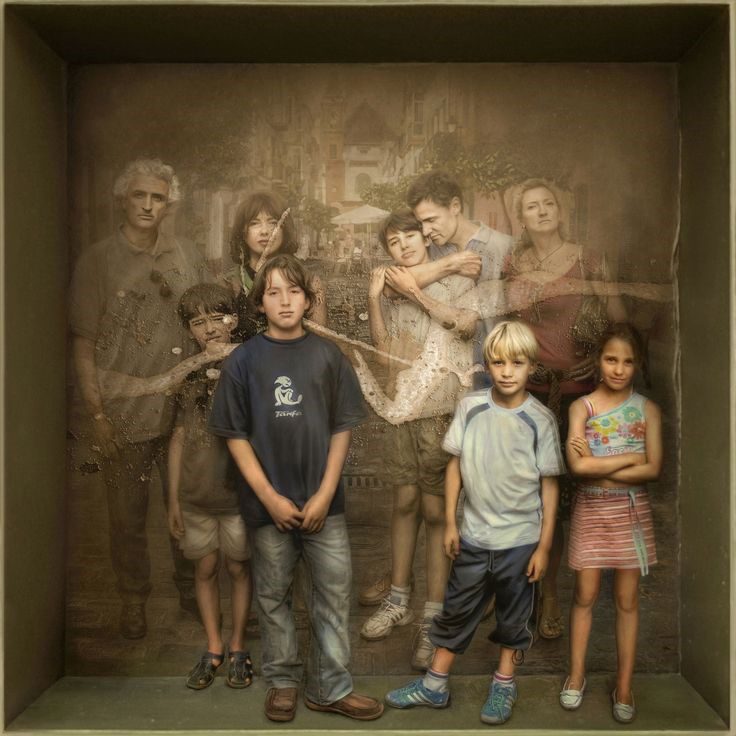
Think of a stick to make distance and boundaries visible; a rope to visualise patterns of
bonding / connection; or a ball to experience contact, direction or withdrawal.
In addition, there are numerous other physical methods that can make patterns literally tangible. In this context, the body unerringly reveals where tension, reluctance or, conversely, a need for closeness lies.
Physical touch can also play a role – always carefully and attuned – to, for example, make safety, support or boundaries tangible.
Or as a gateway to a deeper (emotional / energetic) layer.
Yet, in my view, ultimately it is not the material or the technique that is the most important ‘tool’, but the presence of the therapist themselves. That embodied, attuned closeness forms the real foundation. From a place of safety, the body is given permission to feel, relax and let go of old layers of protection. That is where the essential work takes place.
Not through doing, but through experiencing in contact.
The use of materials therefore features less and less in my approach.
The deepening effect
What appeals to me is that the initial focus is not on gaining (cognitive) insight, but rather on integration. Understanding can help, but real change occurs when it is felt within the body.
Haptonomy reconnects the head, heart and body.
It is an invitation to learn to feel yourself again.
It is an invitation to learn to feel yourself again.
Not by working harder or trying to control things, but by learning to listen and thereby to experience.
And it is precisely there – in that contact – that healing often begins naturally and (paradoxically enough) insights into cognition can arise.
Today’s blog is the first part of a four-part series,consisting of:
- Haptonomy
- Psychosomatics & Psychosomatic complaints
- Nature as a sacred place
- Sweden: Polyvagal in outdoor practice
Next week’s topic will be:
Psychosomatics & Psychosomatic complaints .
Here, we will explore today’s theme in greater depth.
To be continued!